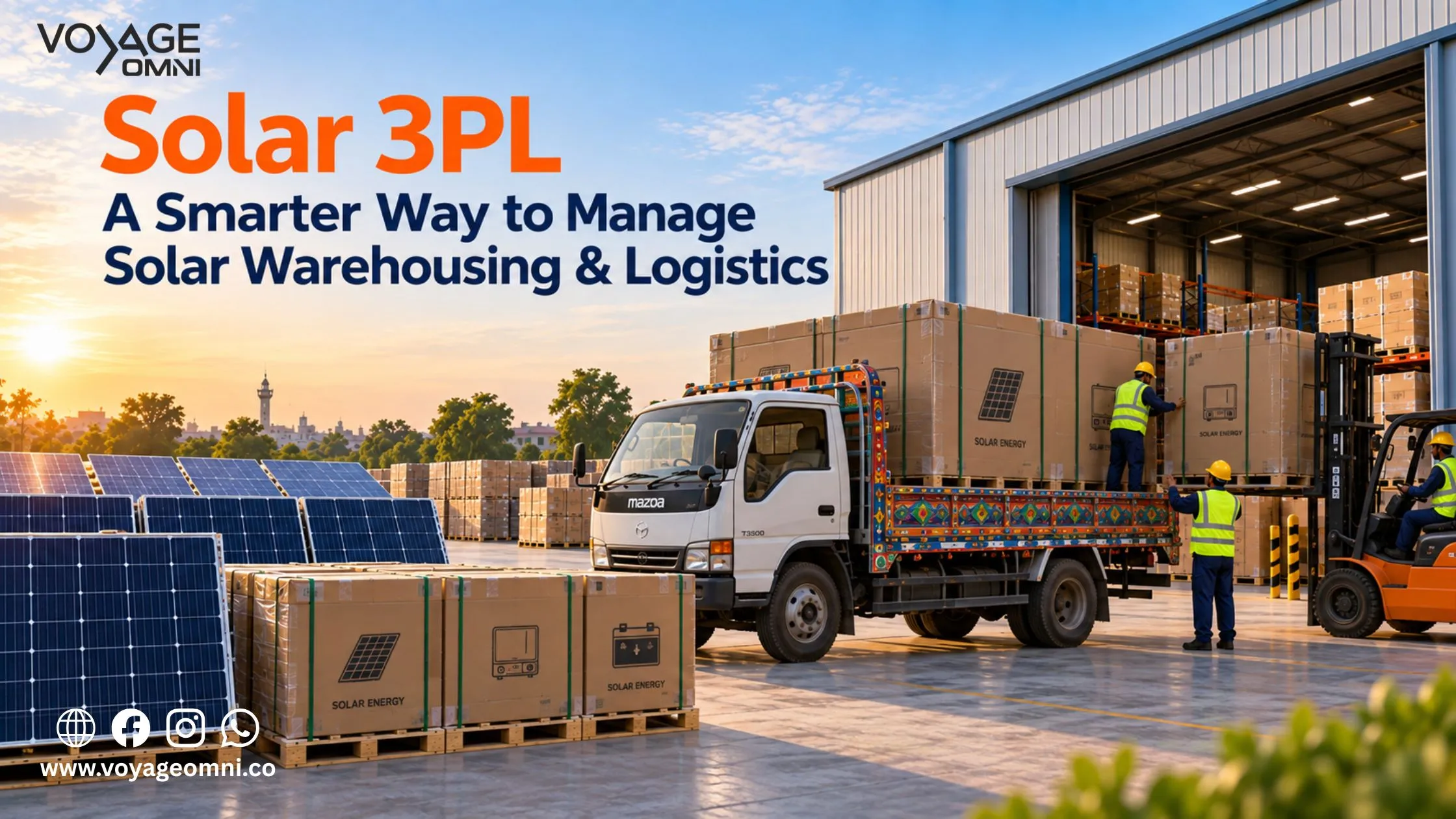
Solar 3PL: A Smarter Way to Manage Solar Warehousing & Logistics
Introduction
The rapid growth of solar energy has created opportunities for manufacturers, distributors, dealers, installers & retailers. However, selling solar products is only one part of the business. Moving panels, inverters, batteries, mounting equipment & other components safely requires an organized supply chain.
This is where Solar 3PL can make a difference. By outsourcing warehousing, inventory handling, order processing, transportation & fulfillment to a specialized logistics partner, solar businesses can simplify operations & maintain better control over their products.
Why Solar Businesses Need Specialized Logistics
Solar products have unique logistics requirements. Panels are large & relatively fragile, while batteries & inverters require careful handling & organized storage. Poor handling, inefficient storage & delayed deliveries can increase costs & affect customer satisfaction.
Specialized Solar logistics solutions are designed to address these challenges. A logistics partner can coordinate receiving, storage, order preparation, dispatch & transportation through a structured process.
The Role of Solar Warehousing
Warehouse space is a major requirement for growing solar businesses. Operating a dedicated facility involves costs for rent, equipment, staff, security & technology.
Solar warehousing provides access to professionally managed storage without requiring businesses to build & operate their own facilities. Organized storage & controlled handling can make it easier to manage panels, batteries, inverters & related equipment.
Better Inventory & Fulfillment
Managing different products, specifications & order quantities can become challenging as a solar business grows. Effective Solar inventory management provides better visibility into available, stored & dispatched products.
When an order arrives, products must be picked, checked, packed & dispatched efficiently. Solar product fulfillment brings these activities together through a structured warehouse process, helping businesses save operational time & focus on sales & growth.
Transportation & Last-Mile Delivery
Solar equipment can be bulky & requires careful transportation. Vehicle capacity, loading procedures, route planning & product protection all need consideration.
Third-party logistics for solar can combine warehousing & transportation under one coordinated system. This can help businesses serve dealers, distributors, commercial customers & installation teams more efficiently.
Conclusion
The solar industry depends on more than product quality & sales. Efficient storage, accurate inventory, careful handling, timely fulfillment & reliable transportation are essential for a smooth supply chain.
By using specialized Solar logistics, Solar warehousing, inventory management, fulfillment & transportation services, solar businesses can build a more connected operational model.
For companies seeking to scale without carrying the full burden of logistics infrastructure, 3PL can provide the flexibility & operational support needed for sustainable growth.